Wordsworth Collectors Horror Set
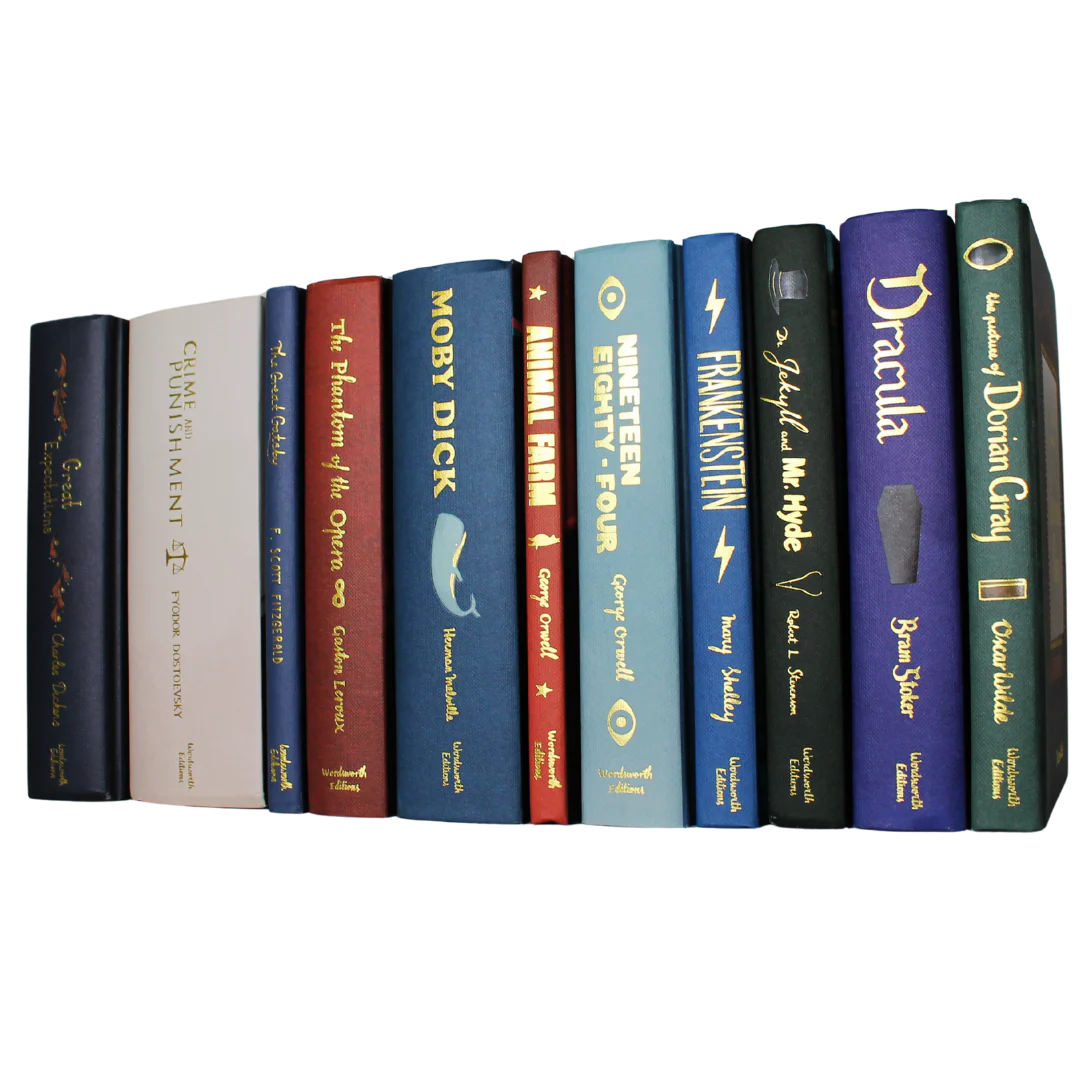
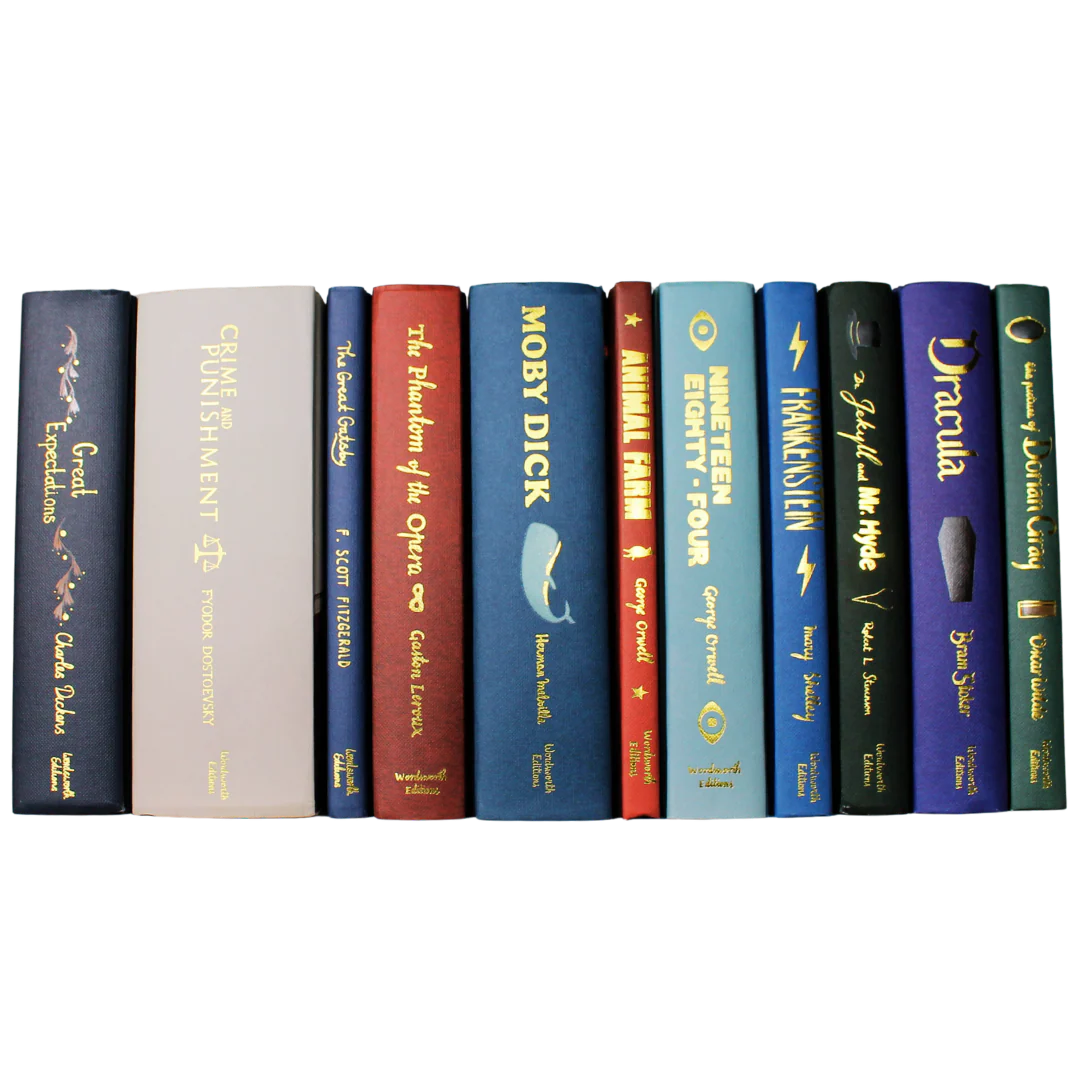
Eleven Wordsworth Collectors Editions, with a gothic horror theme!
- Great Expectations
- Crime and Punishment
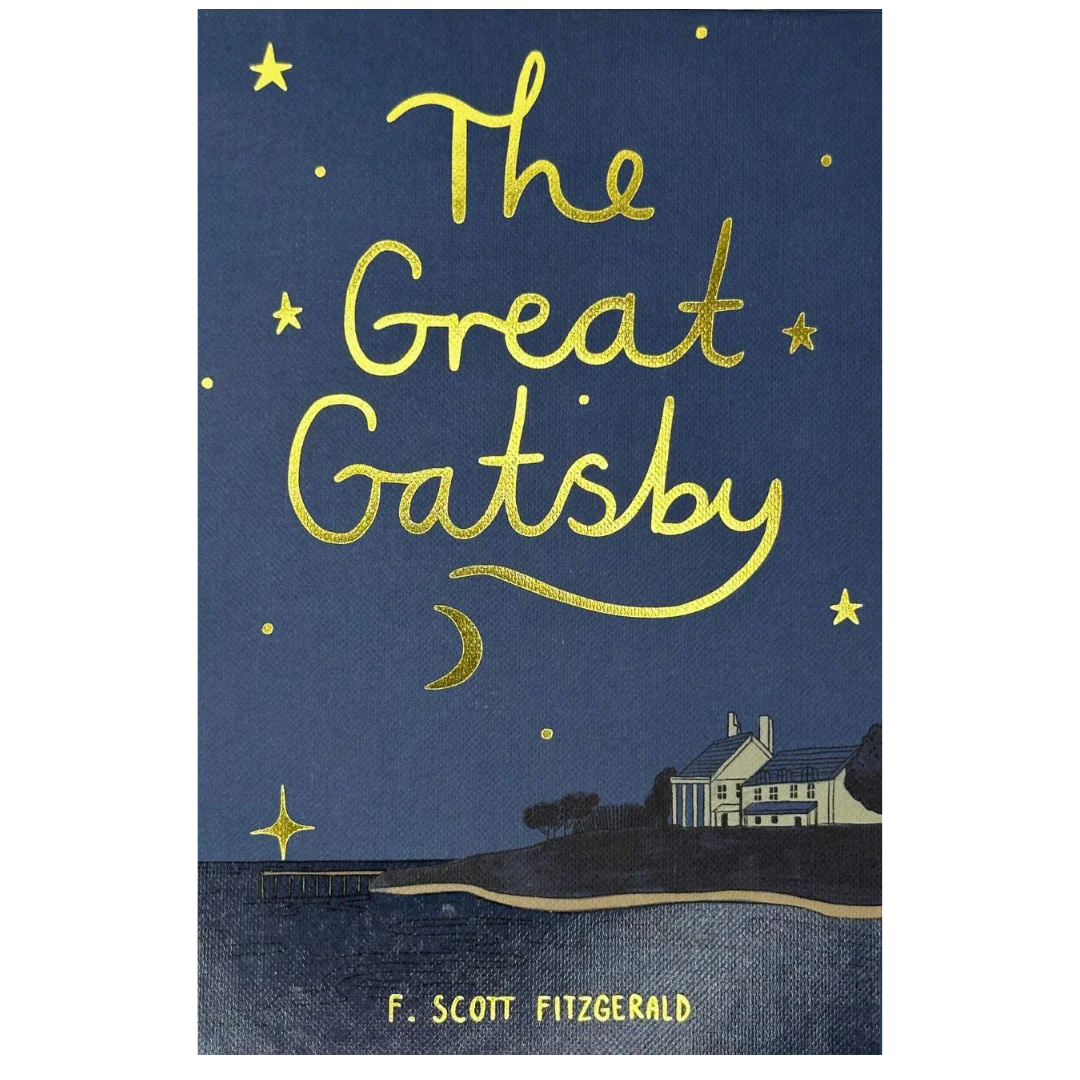
- The Great Gatsby
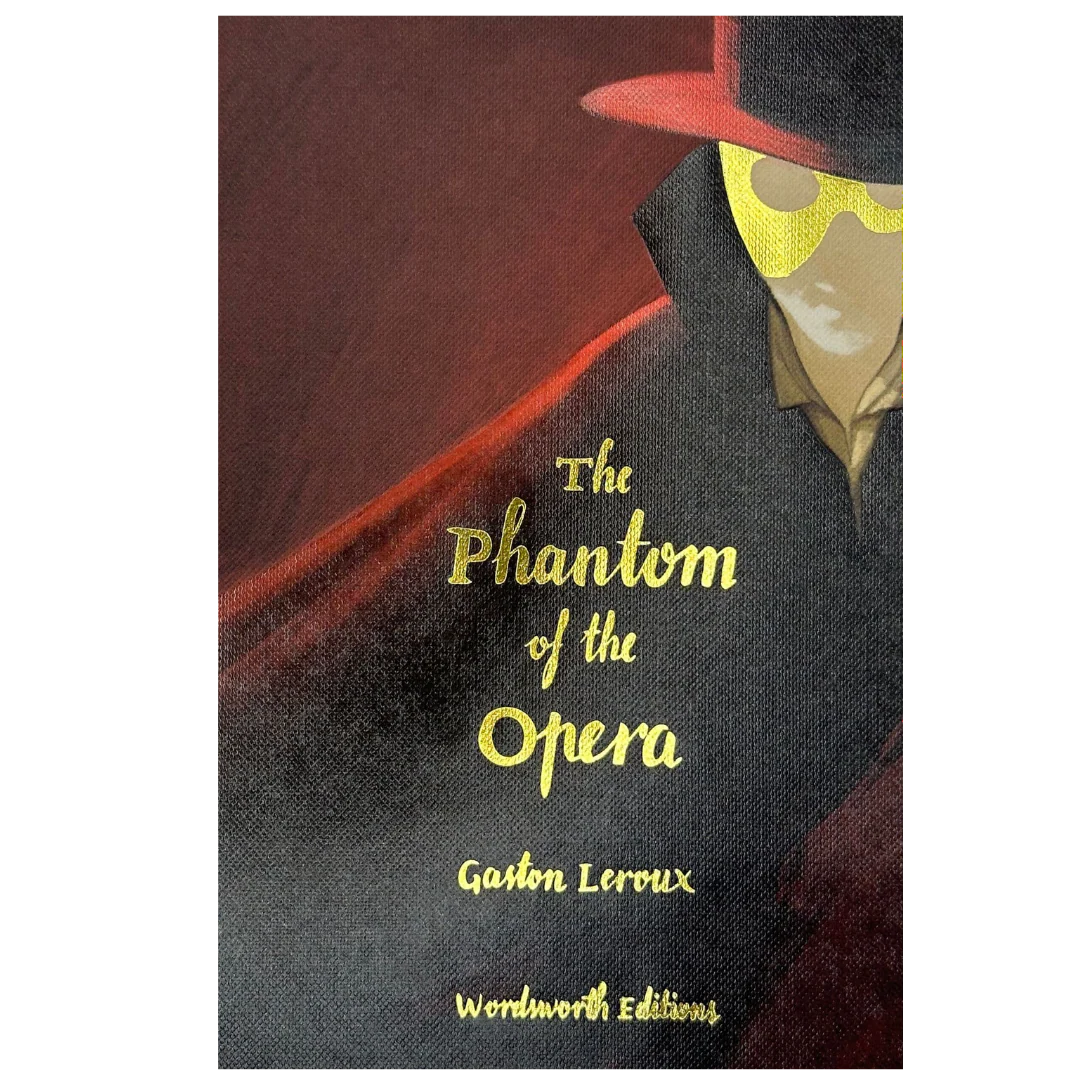
- Phantom of the Opera
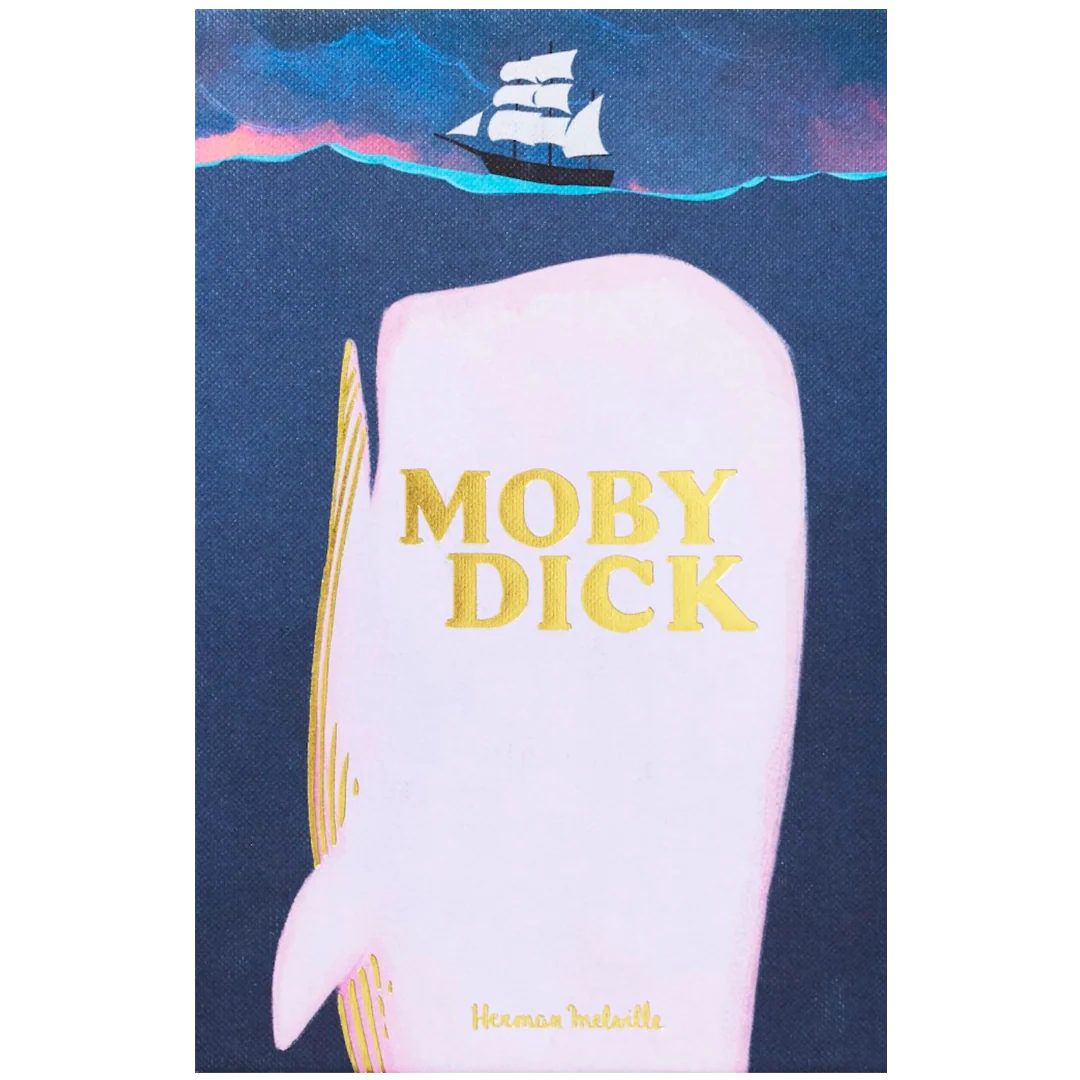
- Moby Dick
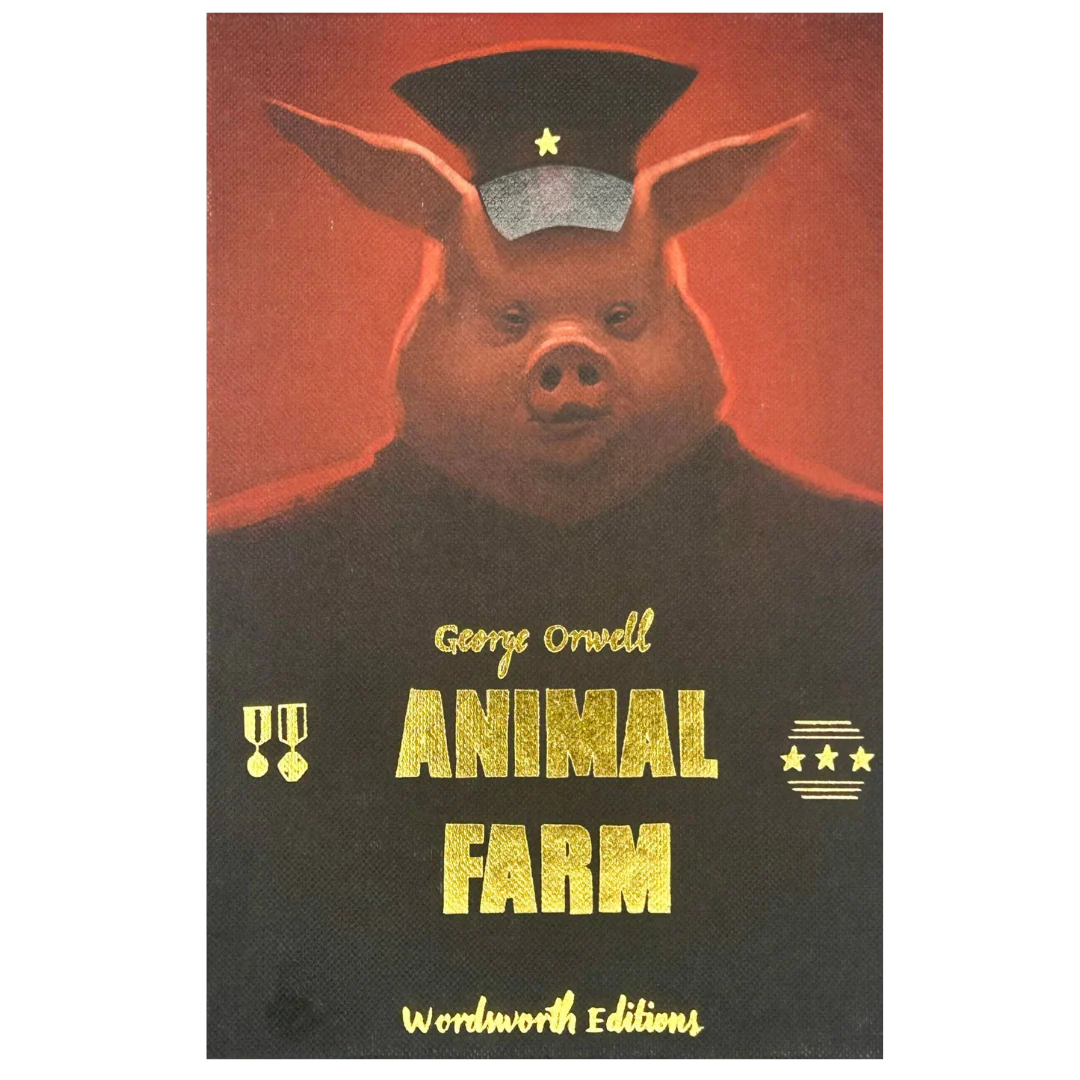
- Animal Farm
- Nineteen Eighty Four
- Frankenstein
- Dr Jekyll and Mr Hyde
- Dracula
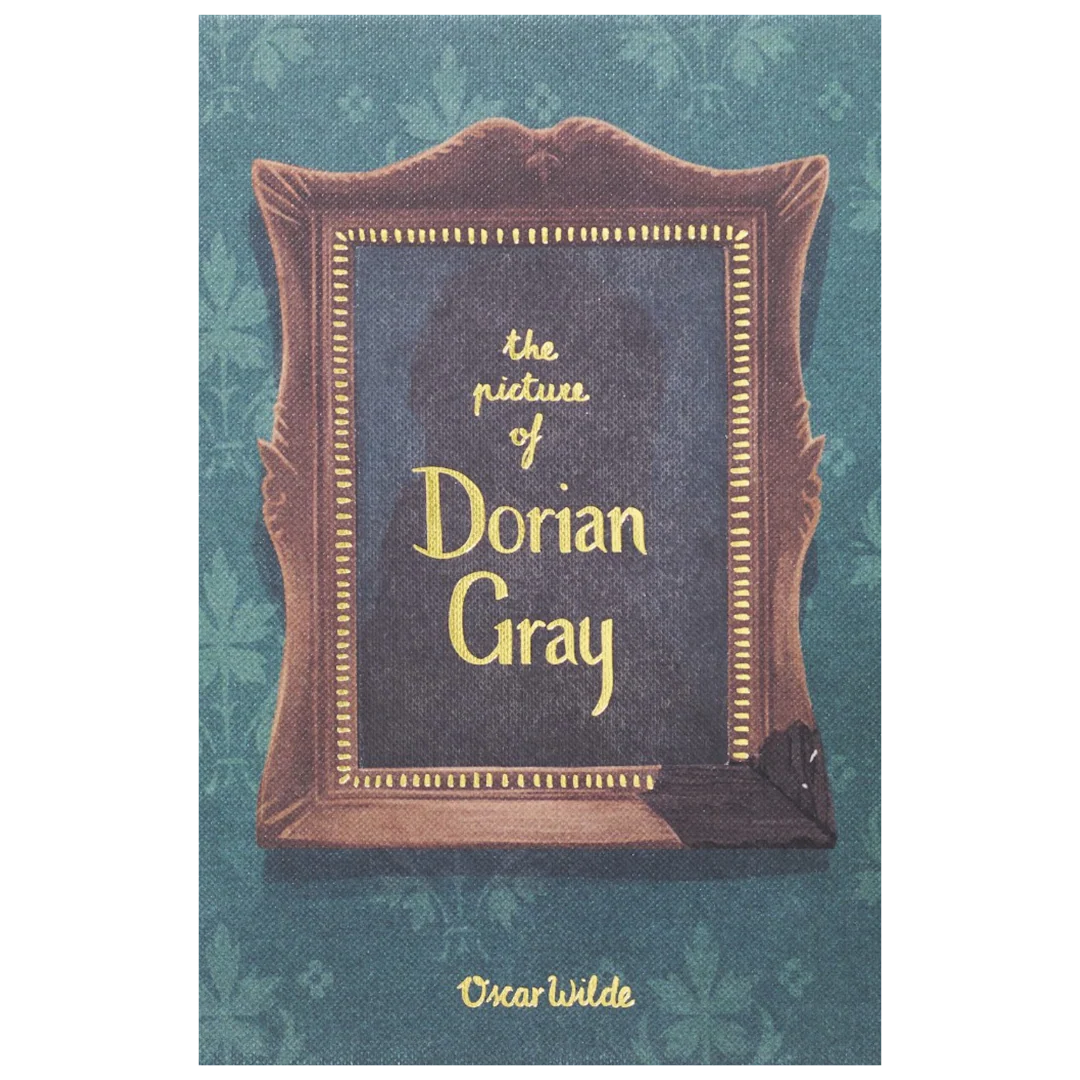
- The Picture of Dorian Gray
This remarkable collection of eleven Wordsworth Collectors Editions brings together some of the most powerful and haunting works in classic literature. Though each novel stands firmly within its own tradition, they share a fascination with the shadows that shape human experience. Obsession, ambition, corruption, fear, identity and the fragile boundaries between civilisation and chaos run through these stories, creating a library that celebrates the darker and more atmospheric side of the literary canon. Bound in elegant hardback editions, these volumes form a compelling set for readers who enjoy fiction that explores the mysteries and complexities of the human condition.
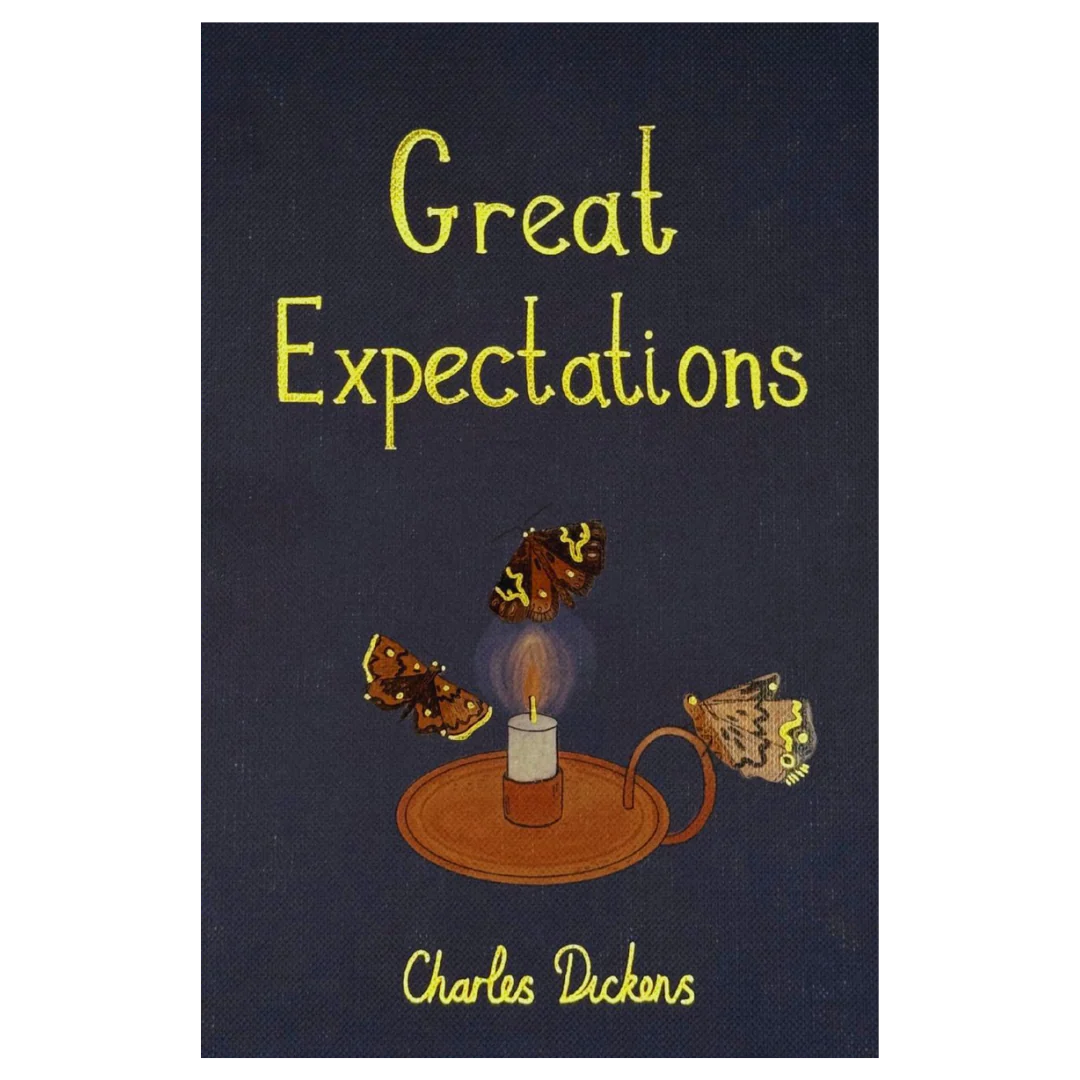
The journey begins with Great Expectations, Charles Dickens’s evocative tale of ambition and self discovery. Pip’s rise from the lonely marshes to the glittering promise of London is shaped by guilt, secrecy and the ghostly influence of figures such as Magwitch and Miss Havisham. Beneath its social commentary lies a gothic undercurrent that questions the cost of desire and the shadows cast by the past.
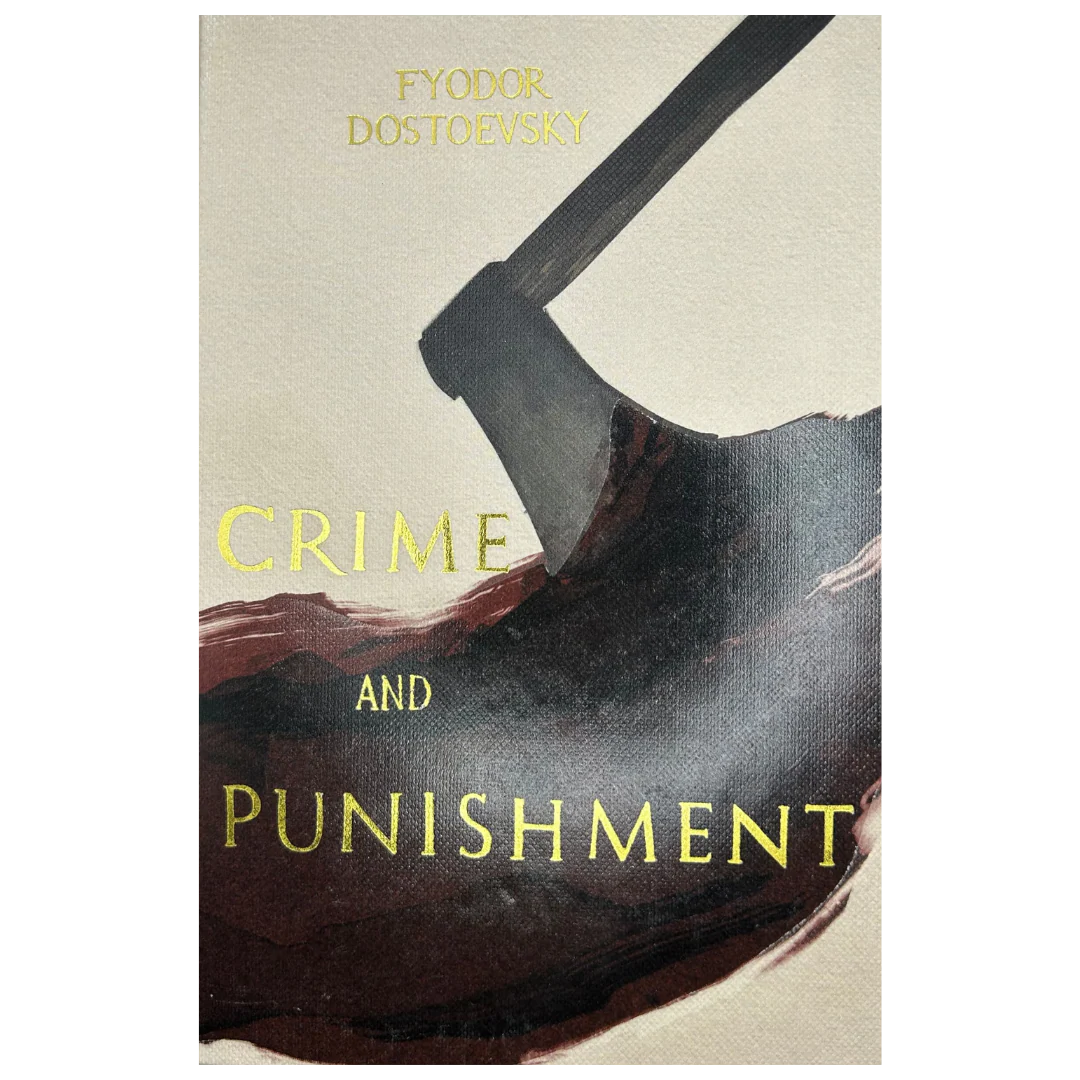
From Victorian England the collection moves into the psychological depths of Crime and Punishment, where Dostoevsky examines guilt, alienation and the torment of a fractured mind. Raskolnikov’s descent into paranoia and moral crisis offers a chilling portrait of a man at war with himself, blurring the line between internal horror and external consequence.
The Great Gatsby shifts the setting to the glittering world of the Jazz Age, yet beneath the glamour lies a story steeped in longing, illusion and quiet tragedy. Gatsby’s obsessive pursuit of an unattainable dream carries its own gothic resonance, revealing the decay beneath the polished surface of wealth and aspiration.
The Phantom of the Opera brings the gothic to its most theatrical form, weaving romance, mystery and terror within the hidden depths of the Paris Opera House. The Phantom’s haunting presence, driven by longing and despair, embodies the tragic figure at the heart of gothic storytelling.
Moby Dick expands the collection’s scope to the vast and indifferent ocean. Captain Ahab’s relentless pursuit of the white whale becomes a cosmic gothic tale of obsession, fate and the terrifying power of nature. The novel’s scale and intensity make it one of the darkest epics in American literature.
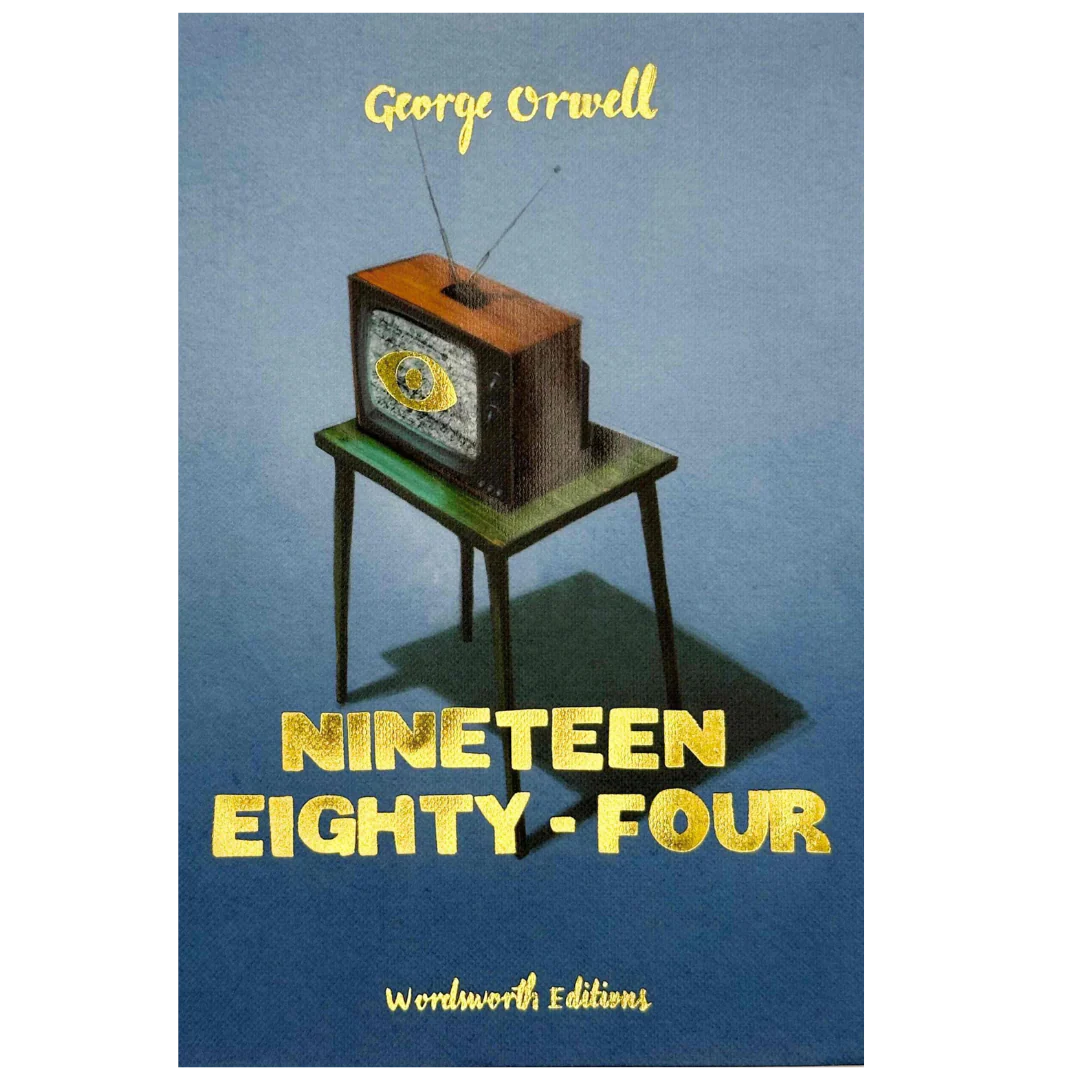
Animal Farm and Nineteen Eighty Four introduce a modern and political form of gothic horror. In Animal Farm the corruption of idealism becomes a chilling allegory of tyranny, while Nineteen Eighty Four presents a dystopian world where truth itself is controlled. Both novels reveal the horrors that arise not from supernatural forces but from human ambition and the machinery of power.
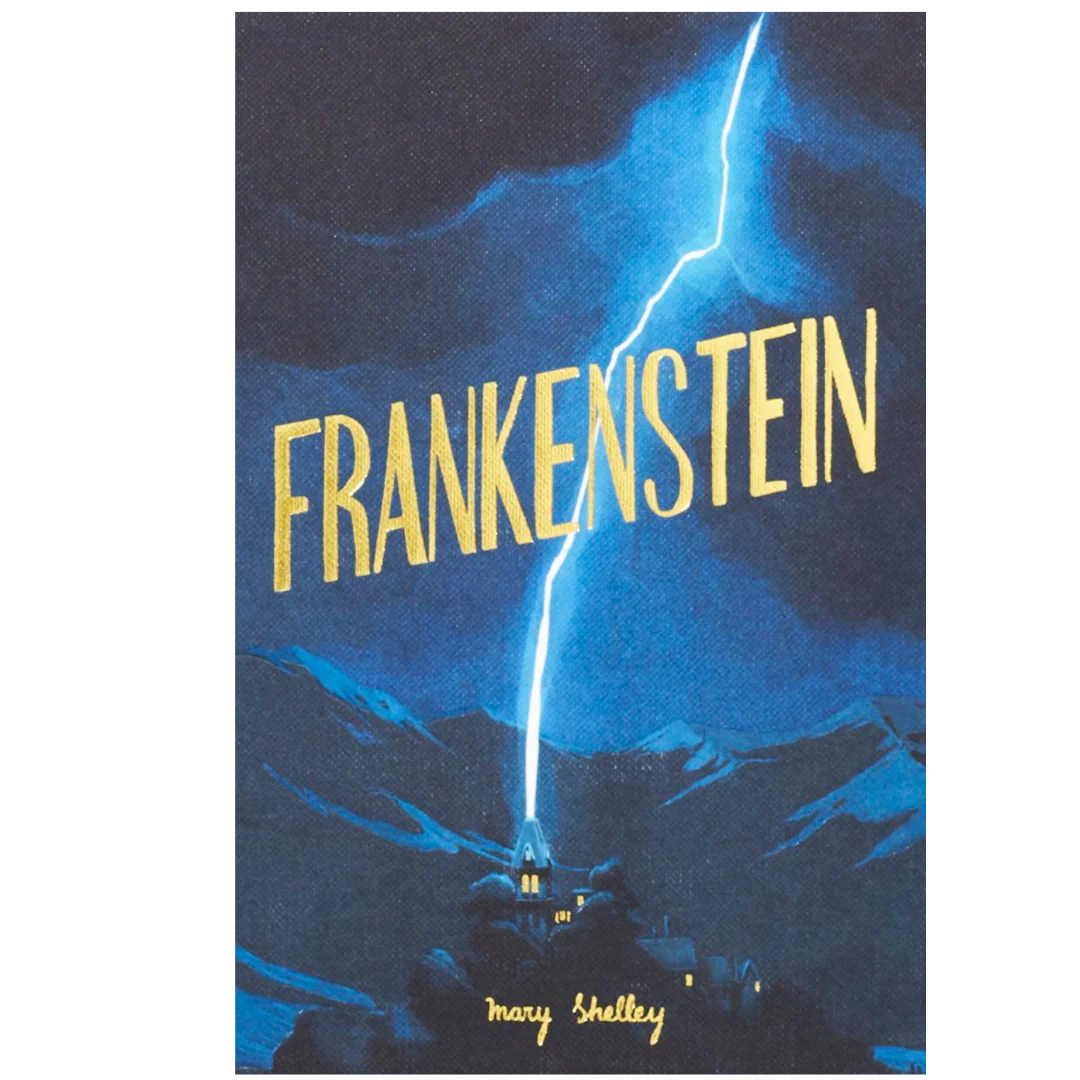
Frankenstein stands as a cornerstone of gothic fiction, blending science, tragedy and philosophical depth. Victor Frankenstein’s creation, both monstrous and deeply human, embodies the consequences of unchecked ambition and the anguish of isolation.
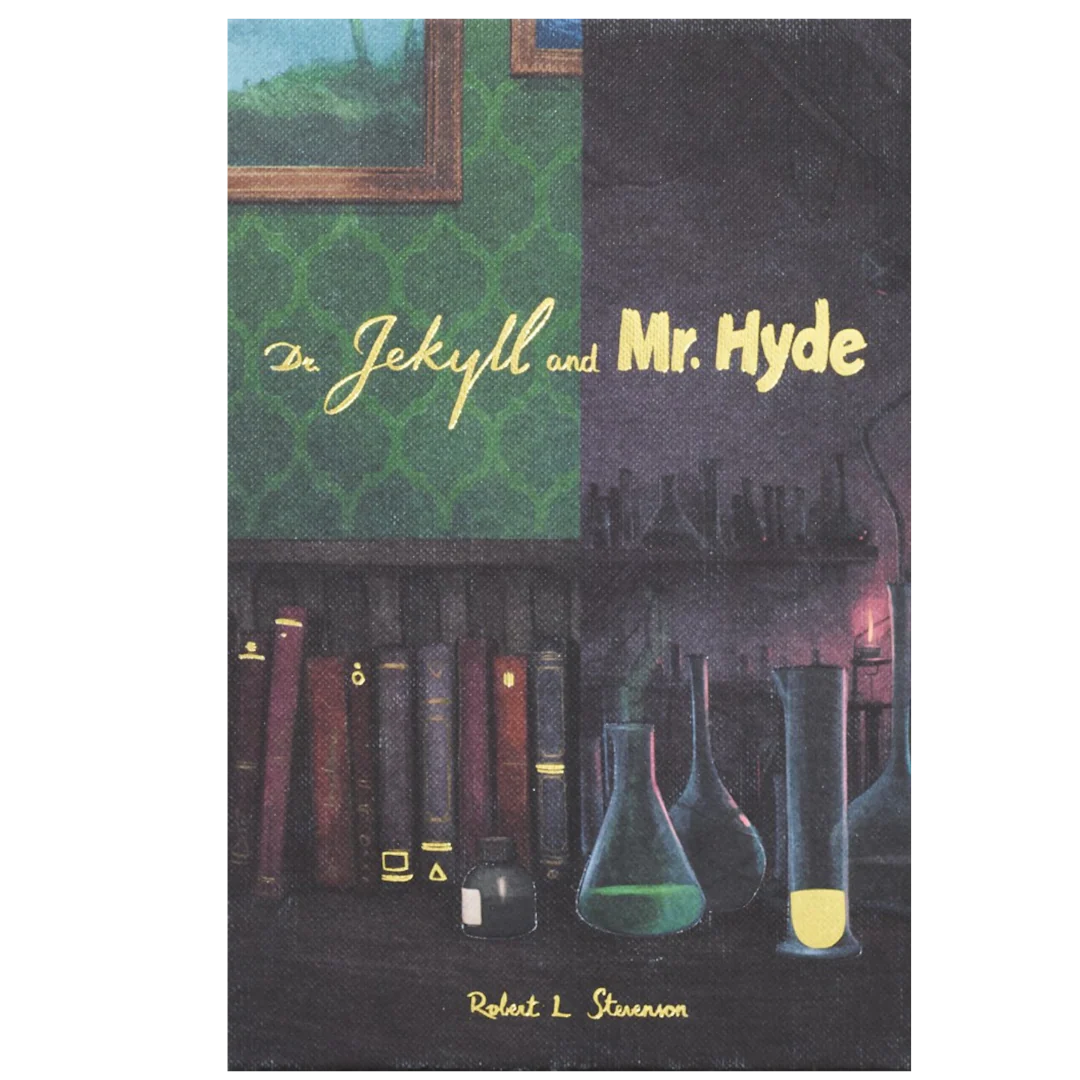
Dr Jekyll and Mr Hyde offers a taut and atmospheric exploration of duality and the darkness within. Jekyll’s struggle against his own shadow self remains one of the most iconic depictions of internal horror.
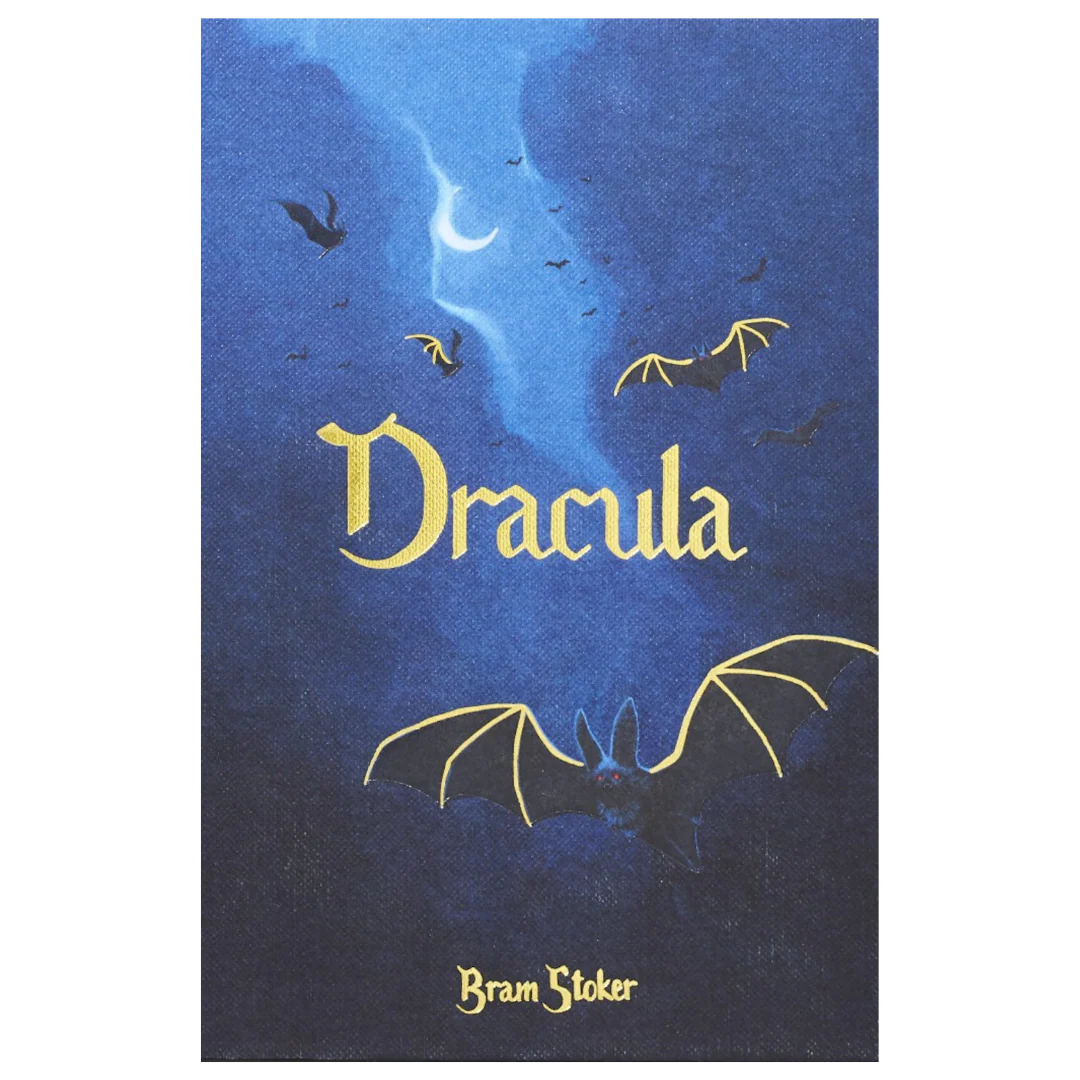
Dracula brings the gothic to its most iconic form, with its blend of terror, seduction and supernatural menace. The Count’s presence shapes a narrative steeped in dread, desire and the battle between ancient evil and modern reason.
The Picture of Dorian Gray closes the collection with a tale of beauty, corruption and the hidden cost of indulgence. Dorian’s unchanging face and decaying portrait create a haunting meditation on vanity, influence and the slow unravelling of the soul.
Together these eleven novels form a sweeping exploration of the gothic imagination and its enduring power to illuminate the darker corners of human experience.
Original: $236.60
-65%$236.60
$82.81Product Information
Product Information
Shipping & Returns
Shipping & Returns
Description
Eleven Wordsworth Collectors Editions, with a gothic horror theme!
- Great Expectations
- Crime and Punishment
- The Great Gatsby
- Phantom of the Opera
- Moby Dick
- Animal Farm
- Nineteen Eighty Four
- Frankenstein
- Dr Jekyll and Mr Hyde
- Dracula
- The Picture of Dorian Gray
This remarkable collection of eleven Wordsworth Collectors Editions brings together some of the most powerful and haunting works in classic literature. Though each novel stands firmly within its own tradition, they share a fascination with the shadows that shape human experience. Obsession, ambition, corruption, fear, identity and the fragile boundaries between civilisation and chaos run through these stories, creating a library that celebrates the darker and more atmospheric side of the literary canon. Bound in elegant hardback editions, these volumes form a compelling set for readers who enjoy fiction that explores the mysteries and complexities of the human condition.
The journey begins with Great Expectations, Charles Dickens’s evocative tale of ambition and self discovery. Pip’s rise from the lonely marshes to the glittering promise of London is shaped by guilt, secrecy and the ghostly influence of figures such as Magwitch and Miss Havisham. Beneath its social commentary lies a gothic undercurrent that questions the cost of desire and the shadows cast by the past.
From Victorian England the collection moves into the psychological depths of Crime and Punishment, where Dostoevsky examines guilt, alienation and the torment of a fractured mind. Raskolnikov’s descent into paranoia and moral crisis offers a chilling portrait of a man at war with himself, blurring the line between internal horror and external consequence.
The Great Gatsby shifts the setting to the glittering world of the Jazz Age, yet beneath the glamour lies a story steeped in longing, illusion and quiet tragedy. Gatsby’s obsessive pursuit of an unattainable dream carries its own gothic resonance, revealing the decay beneath the polished surface of wealth and aspiration.
The Phantom of the Opera brings the gothic to its most theatrical form, weaving romance, mystery and terror within the hidden depths of the Paris Opera House. The Phantom’s haunting presence, driven by longing and despair, embodies the tragic figure at the heart of gothic storytelling.
Moby Dick expands the collection’s scope to the vast and indifferent ocean. Captain Ahab’s relentless pursuit of the white whale becomes a cosmic gothic tale of obsession, fate and the terrifying power of nature. The novel’s scale and intensity make it one of the darkest epics in American literature.
Animal Farm and Nineteen Eighty Four introduce a modern and political form of gothic horror. In Animal Farm the corruption of idealism becomes a chilling allegory of tyranny, while Nineteen Eighty Four presents a dystopian world where truth itself is controlled. Both novels reveal the horrors that arise not from supernatural forces but from human ambition and the machinery of power.
Frankenstein stands as a cornerstone of gothic fiction, blending science, tragedy and philosophical depth. Victor Frankenstein’s creation, both monstrous and deeply human, embodies the consequences of unchecked ambition and the anguish of isolation.
Dr Jekyll and Mr Hyde offers a taut and atmospheric exploration of duality and the darkness within. Jekyll’s struggle against his own shadow self remains one of the most iconic depictions of internal horror.
Dracula brings the gothic to its most iconic form, with its blend of terror, seduction and supernatural menace. The Count’s presence shapes a narrative steeped in dread, desire and the battle between ancient evil and modern reason.
The Picture of Dorian Gray closes the collection with a tale of beauty, corruption and the hidden cost of indulgence. Dorian’s unchanging face and decaying portrait create a haunting meditation on vanity, influence and the slow unravelling of the soul.
Together these eleven novels form a sweeping exploration of the gothic imagination and its enduring power to illuminate the darker corners of human experience.